
Educational Approach
École Ducharme provides education from Prekindergarten through Grade 12, delivered by a dynamic and dedicated staff committed to the success of every student.
Pre-kindergarten
Children aged 4 and older are eligible to attend the Prekindergarten program at École Ducharme.
Located within the school and accessible to all families, the Prekindergarten program provides children with the opportunity to learn, play, and grow in a French-language environment.
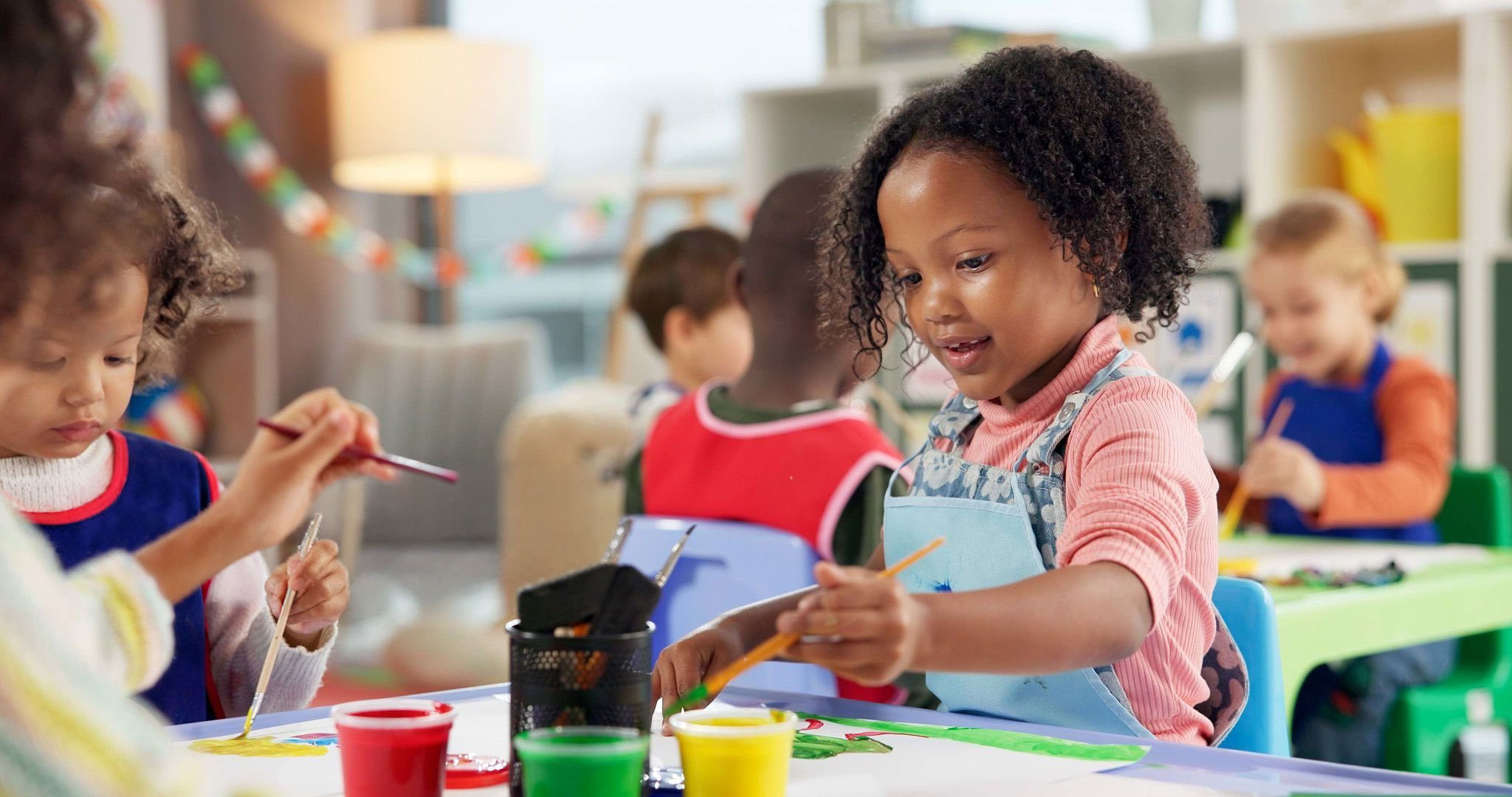
Prekindergarten Les petits Orignaux de l'école Ducharme
École Ducharme
340, Ominica Ouest
Moose Jaw (Saskatchewan)
S6H 1X5
Phone : 306-691-0068
Cell:
Prekindergarten Level | Schedule |
|---|---|
Prekindergarten (Age 4): | Mondays through Fridays from 8:50 a.m. to 3:20 p.m. School bus transportation is provided for students aged 4 and older. |
- Monthly Fee: Free
- The Prekindergarten program is located within the school and is open to all families. It provides children aged 4 to 5 with the opportunity to learn, plan, and grow in a French-language environment.
Full-time Kindergarten (every weekday)
Children who are 5 years old by December 31 are eligible to enroll in kindergarten at École Ducharme.
Kindergarten offers a program based on the Fransaskois Kindergarten Curriculum, originally developed by the French Education Branch (Direction de l’éducation française – DEF) and now administered by the Saskatchewan Ministry of Education.This program promotes a holistic approach that provides a French-language learning environment rich in Francophone cultural references.
Learning is child-centred. As Bacus states, “For a child, learning is play, and every game teaches something.” Children are actively engaged in their learning. They experience their Francophone identity through interactions with others and the world around them. In doing so, they build knowledge and skills across social and emotional, language, perceptual, physical, cognitive, and spiritual domains.
This approach supports:
- Social and emotional development (understanding, responsibility, and collaboration);
- Perceptual development (perceptions, feelings, personal ideas, and creativity);
- Physical development (the acquisition of fine and gross motor skills);
- Language development (using language as a cultural and identity-building tool, as well as a means of communication, reflection, interaction, creation, and representation);
- Cognitive development (the development of cognitive processes, strategies, and skills that students can apply in new situations).
- Spiritual development (the development of meaning and values, discovery of self and one’s place in the world, a sense of wonder and appreciation, the development of belonging, and respect for oneself, others, nature, and life).
Programming: Grades 1 to 12
In accordance with The Education Act, every child who is older than 6 years of age and younger than 22 years of age on December 31 is entitled to an education appropriate to their age and grade level.
The CÉF adheres to Saskatchewan’s educational goals and delivers the curriculum established by the Saskatchewan Ministry of Education, as outlined in the provincial programs of study. All subjects are taught in French, with the exception of English Language Arts. English instruction begins in Grade 4 and continues through Grade 12, using the same curriculum offered in Saskatchewan’s public and separate schools. With approval from the Ministry, certain courses are adapted to reflect the unique francophone identity and mandate of Fransaskois schools.
A wide range of learning opportunities is available through classroom instruction at the school, complemented by courses delivered through videoconferencing, asynchronous online learning, and Practical and Applied Arts (PAA) courses.
Extracurricular Activities
École Ducharme offers an outstanding variety of extracurricular activities for both elementary and high school students. Many additional activities are also available directly at the school, providing students with opportunities to explore their interests, develop new skills, build friendships, and enrich their overall school experience.
- Rendez-vous de la francophonie (Celebration of Francophone culture and the French language)
- Jour du souvenir (Remembrance Day)
- Concert de Noël (Christmas Concert)
- Gala des finissants (Graduation Gala)
- Assemblée Méritas (Student Achievement Awards Assembly)
- Salon du livre (Book Fair)
- Omnium de volleyball (CÉF Provincial Volleyball Tournament)
- Spectacles culturels (Cultural Performances)
- Expo-sciences (Science Fair)
- Jeux du CÉF (CÉF Games)
- Journée de ski (Multi-school Ski Day)
Our Student Council operates more like a student club, where all members share an equal role in planning and organizing activities. Rather than having a single student leader, members work collaboratively to bring ideas forward, make decisions together, and contribute to school life.
The Student Council organizes activities such as:
- Semaine de l’amitié (Friendship Week)
- Cantine santé (Healthy Snack Program)
- Hot lunch programs
- New and varied activities each year
- Christmas activities
Funds raised by the Student Council help support a variety of initiatives and activities for both elementary and high school students, enhancing the school experience for all.
- Softball
- Volleyball Tournament
- CÉF Track and Field Meet
- Badminton
- Participation in SHSAA Games:
- Volleyball
- Badminton
- Track and Field
- Basketball
- Cross-Country Running
- Theatre
- Christmas Concert featuring students in locally developed productions
- Evenings and celebrations showcasing the musical talents of members of our school community
- Performances by visiting theatre and cultural groups
- Education week
- Lunch Bistro
- Improvisation
- Dictée des Amériques (Spelling Contest, provincial and national levels)
- Art Gallery
- Secondaire en spectacle (High School Talent Showcase)
- Semaine de la francophonie (Francophone Week)
- Flag-raising ceremony
- Winter Festival
- Snowshoe Workshop
- Performances
- Maple Taffy on Snow
- Community Meal with Parents and Seniors (Card Tournament)
- Art Exhibition
- Participation in Francofièvre (major provincial Francophone music concert (for Grades 6-12)
- Remembrance Day Ceremony
School Food Services
The Student Council, in collaboration with staff members, operates a healthy canteen where students can purchase nutritious meals and a variety of healthy snacks at affordable prices.
- fresh vegetables;
- fruit;
- fruit juices;
- homemade muffins;
- occcasional hot meals.
Canteen menus and order forms for hot lunch days are sent to families throughout the school year.

Code of Conduct
The Elementary Code of Conduct outlines the expectations and guidelines that help students navigate their daily school life. It promotes a respectful, safe, and caring environment where every student can learn, grow and thrive.
School Rules and Student Expectations:
- When the temperature falls below −25°C, students may remain indoors. At all times, they must wear clothing appropriate for weather conditions.
- Students must wear clean indoor shoes with non-marking soles while inside the school.
- Students must demonstrate respect toward all individuals. Bullying, harassment, and extortion of any kind will not be tolerated.
- Students must take care of their personal belongings, school materials, and the property of others.
- Students are responsible for completing and submitting their assignments and corrections within the prescribed timelines.
- Students must follow the routines, directions, and procedures established in their classrooms.
- Students must remain in the schoolyard during recess unless they have obtained permission from a staff member responsible for supervision.
- Students must use the designated entrance and exit doors.
- After use, students must return equipment and materials to their designated locations.
- To ensure everyone’s safety, playing on ice or throwing snowballs is prohibited.
- Any concern or situation requiring intervention must be reported to the school administration.
Dress Code
- Parents are encouraged to provide two pairs of shoes for their child: one pair for indoor use and another for outdoor activities. Indoor shoes must be clean and have non-marking soles.
- Clothing must be appropriate for the school setting and allow students to participate comfortably in all daily activities.
- Clothing must adequately cover the torso and midriff. Tops that expose the stomach or navel are not considered appropriate in a school setting.
- Clothing must not reveal undergarments or leave parts of the body excessively exposed.
Our Expectation: We encourage students to dress in a manner that demonstrates respect for themselves, others, and their school environment. Clothing should be appropriate for the school setting, provide adequate coverage, and enable all students to participate in daily activities within a respectful and inclusive environment.